
Artificial intelligence tools such as Sora, OpenAI’s text-to-video generator, have made it easier than ever to create videos that look…
Someone Made an AI-Generated Video of Me… What Can I Do?
Your Rights and Next Steps in Washington State
Discovering that someone created a fake or AI-generated video of you can be frightening and overwhelming. Many victims describe feeling exposed, embarrassed, or afraid that others will believe something that is not true. These videos spread quickly and can cause serious personal, professional, and emotional consequences.
If this has happened to you, you are not overreacting. Washington law recognizes the seriousness of falsified and manipulated digital content. Even though there is not one single statute labeled “deepfake law,” several Washington laws may support a civil claim.
What Should I Do If Someone Made an AI-Generated Video of Me?
If someone made an AI-generated video of you, save copies of the video and screenshots showing where it was shared, document any harm you are experiencing, avoid confronting the creator directly, and contact an attorney experienced in defamation and privacy law. Washington laws such as RCW 63.60, RCW 9A.60.045, and RCW 9A.86.010 may provide legal remedies depending on the facts.
How AI-Generated Videos Harm Victims
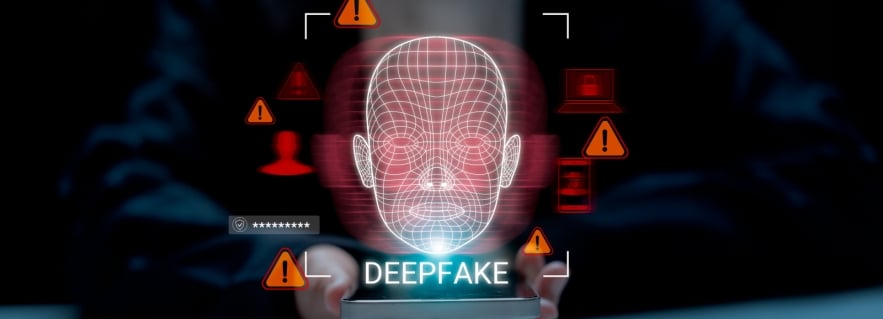
AI-generated or “deepfake” videos are designed to appear real. Even when viewers suspect manipulation, the damage often occurs the moment the content is seen.
Victims may experience:
- Immediate emotional distress
- Damage to reputation or credibility
- Harm to personal or professional relationships
- Harassment or unwanted messages
- Employment discipline or termination
- Loss of business or career opportunities
As discussed in our related article on whether you can sue for a deepfake in Washington, Can You Sue Someone For Making A Deepfake Video of You In Washington?, even a single fabricated video can spread widely and leave a lasting digital footprint.
Common Civil Claims in AI-Generated Video / Deepfake Cases
In addition to statutory protections, Washington courts recognize several tort claims that apply directly to AI-generated videos:
- Defamation if the video falsely portrays you committing a crime or engaging in misconduct
- False light if the portrayal is highly offensive and misleading
- Invasion of privacy if private matters are publicized improperly
- Intentional infliction of emotional distress if the conduct is extreme and outrageous
Misappropriation of likeness under RCW 63.60
Your Situation May Involve Legal Claims If…
- The video includes sexual or intimate content
- The video portrays you committing a crime or unethical act
- Coworkers, employers, or family members have seen or shared it
- You are receiving harassment or threats
- The video appears designed to embarrass, intimidate, or retaliate
- Your face, voice, or likeness was used without permission
If any of these apply, Washington law may provide a remedy.
Immediate Steps to Protect Yourself
- Preserve all evidence. Download the video if possible. Take screenshots. Save URLs. Document where and when it appears.
- Document the impact. Save emails from employers. Preserve harassment messages. Keep records of lost business opportunities or workplace consequences.
- Do not confront the creator directly. Confrontation can escalate the situation or cause evidence to disappear.
- Consult an attorney immediately. Deepfake cases move quickly. Legal counsel can issue preservation demands, evaluate potential claims, and seek court orders to remove content.
Time matters. Early intervention can make a meaningful difference.
Possible Remedies and Damages
Depending on the facts of your case, you may be entitled to:
- Compensation for emotional distress
- Damages for harm to reputation
- Lost income or business opportunities
- Court-ordered removal of the video
- Additional remedies for intimate or sexual exploitation
Every case is unique. The strength of your claim depends on what the video shows, who made it, how widely it has circulated, and the impact on your life.
Washington Law Center Can Help With Your AI-Generated Video Claim
AI-generated videos can cause profound emotional and reputational harm. Washington Law Center represents victims of defamation, privacy violations, sexual exploitation, and misuse of digital likeness throughout Washington State.
These cases are personal and sensitive. Our attorneys handle them with discretion, dignity, and strategic precision.
If someone created or shared an AI-generated or fake video of you, contact Washington Law Center for a confidential consultation. You do not have to face this alone.
ABOUT THE AUTHOR:
Ashton Dennis
Ashton Dennis is a litigation and trial attorney at Washington Law Center focused on representing individuals and families who have suffered a serious personal injury or wrongful death. He was named one of the “Top 40 Under 40” by the National Trial Lawyers of Washington State and one of the “Premier 100” trial attorneys by the American Academy of Trial Lawyers in Washington. Click here to learn more about Ashton.

Related Posts

Comments (0)